
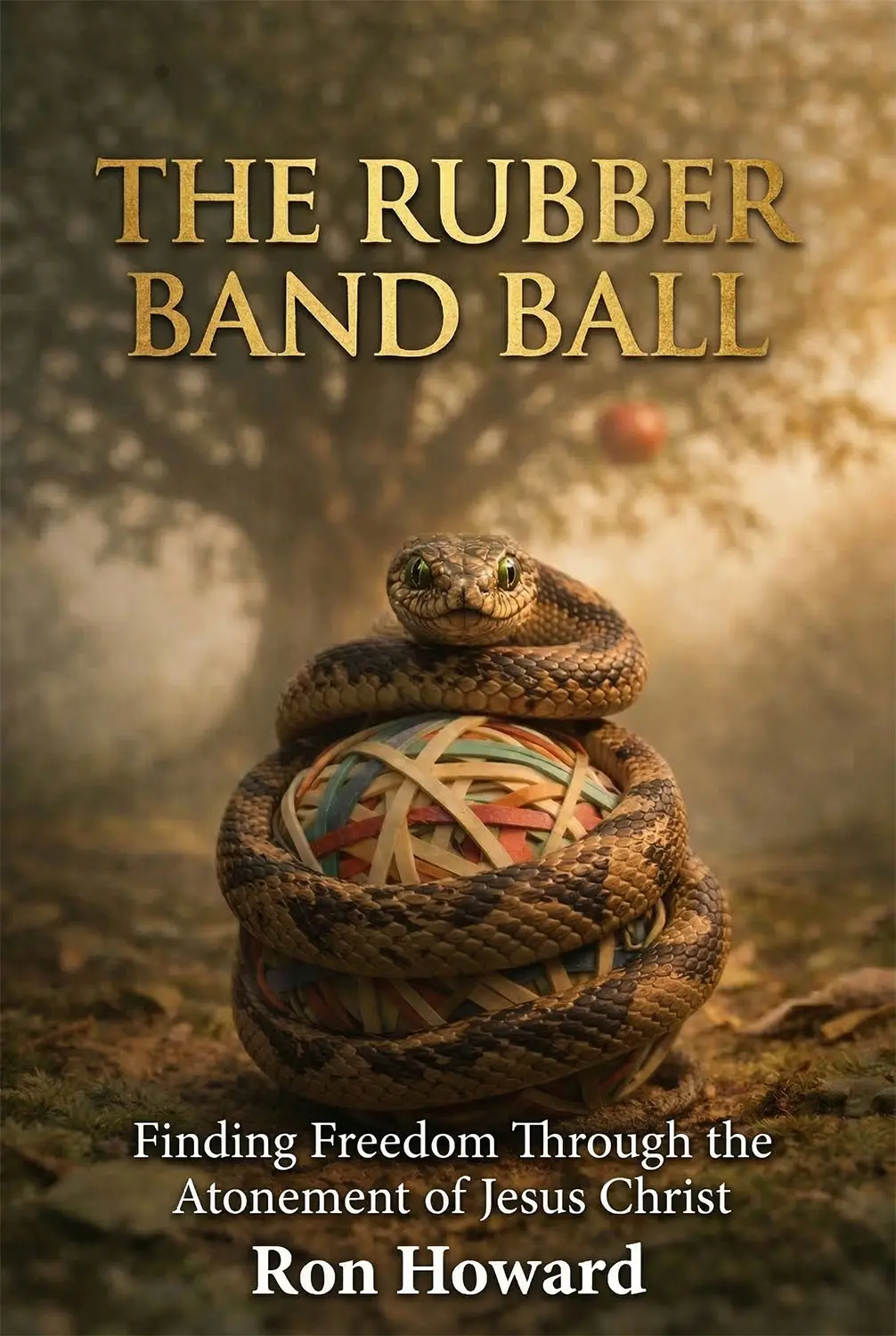
The first thing anyone did after the first sin was not confess. It was cover. Adam and Eve sewed fig leaves together and made themselves aprons, and then they hid. That sequence — exposure, self-made covering, hiding — is not merely the beginning of the story. It is the pattern almost every person repeats, and understanding it is how you recognise the fig leaves you are currently wearing.
The Sequence
Read the order carefully, because the order is the teaching. Temptation. Choice. Consequence. Hiding.
The serpent did not force anything. He approached with suggestion, distortion, and half-truth — yea, hath God said? He introduced doubt. He reframed what was true. He minimised the consequence.
Then the choice. Then: “And the eyes of them both were opened, and they knew that they were naked; and they sewed fig leaves together, and made themselves aprons.”
They felt exposed, and instead of turning toward God, they attempted to manage it themselves. That was the first self-made covering. The first “I will handle this.” The first rubber band.
What a Fig Leaf Actually Is
A fig leaf is anything you construct to keep from being seen.
They are not always vices. That is what makes them difficult to spot. Some of the most effective coverings I have watched people build were things their wards praised them for:
- Competence. If I am useful enough, nobody will look closer.
- Busyness. A full calendar is an excellent place to hide.
- Being the strong one. The person everyone leans on is never asked how they are doing.
- Humour. Deflect before anyone gets near it.
- Silence. I will simply never mention it, and eventually it will not be true.
- Achievement. If the results are good enough, the question will not come up.
Mine was achievement, for a long time. I was hungry to provide, hungry to succeed, hungry to prove I could build something meaningful. Some of that was good. Some of it was a very well-tailored apron.
Why the Covering Never Works
Notice that the fig leaves did not stop Adam and Eve from hiding. They made the aprons, and then they hid anyway.
That is the tell. A covering that actually resolved the exposure would remove the need to hide. Self-made coverings do not resolve anything; they only conceal, and concealment requires ongoing maintenance.
This is why the ball grows. One covering has to be held in place. Then something else needs covering, so another goes on top. Then you are managing the coverings themselves — remembering who knows what, keeping stories consistent, avoiding certain rooms and certain people.
The more rubber bands we try to hide, the bigger the ball gets. And the bigger the ball, the more it affects everyone around us.
Not Every Covering Comes From Your Own Sin
This is important and it is frequently missed in the retelling.
Eve was tempted. Adam chose. Both felt exposure. But people build coverings over things that were never their fault at all — over what was done to them, over what they witnessed, over what someone else decided about them.
The response is identical. We cover. We hide. We internalise. We carry. We say: I should have known better. I should have stopped it. I cannot tell anyone. I will just deal with this myself.
Those four sentences have started more rubber band balls than any sin I have ever heard confessed.
What God Did Instead
Here is the verse that does not get quoted nearly enough. Genesis 3:21: “Unto Adam also and to his wife did the Lord God make coats of skins, and clothed them.”
He did not tell them their fig leaves were adequate. He did not shame them for having made them. He replaced their covering with His.
And note what a coat of skins requires. Something died to make it. The first covering God provided came at a cost that Adam and Eve did not pay, using a life that was not theirs. Standing in Eden, before any of the law, is a picture of substitution.
“He replaced their covering with His. That is the Atonement.”
Taking Off the Fig Leaves
Here is the practical difficulty. You cannot receive a covering while you are still holding your own in place. Both hands are occupied.
So the work is specific. Write down the coverings you are currently maintaining. Not sins — coverings. What are you managing? What would people find out if you stopped? Which rooms do you avoid, and what is the reason underneath the reason?
Then, for each one, write what you are afraid would happen if it were seen. That fear is usually the actual rubber band. The covering is just the apparatus.
Then hand them over deliberately — the five surrenders, written out. The process page has them, and The Rubber Band Ball works through this in detail.
When you stop sewing fig leaves and let the Savior clothe you instead, something changes that is hard to describe and easy to notice. You become steady. Not because life got easier. Because you are lighter.
Frequently Asked Questions
What does Genesis 3:21 mean?
After Adam and Eve made themselves coverings of fig leaves, God made them coats of skins and clothed them — replacing their self-made covering with one He provided. Because a coat of skins requires that something died, the verse presents a picture of substitution standing at the very beginning of scripture, long before the law.
What do the fig leaves represent?
Any self-made covering constructed to avoid being seen. These are frequently not vices — competence, busyness, being the strong one, humour, silence, and achievement all function as coverings, and are often praised by others, which makes them difficult to recognise.
Why did Adam and Eve hide after making the aprons?
Because a self-made covering conceals without resolving. Had the fig leaves actually addressed the exposure, hiding would have been unnecessary. They made the coverings and hid anyway, which is the diagnostic feature of every self-made covering since — concealment requires ongoing maintenance.
Do people build coverings over things that were not their fault?
Yes, and commonly. People cover what was done to them, what they witnessed, and what others decided about them. The internal response is identical to the response to personal sin: cover, hide, internalise, carry. Sentences like “I should have stopped it” and “I cannot tell anyone” begin more burdens than most confessed sins.
How do I identify my own fig leaves?
Write down what you are currently managing rather than what you have done wrong. Ask what people would discover if you stopped maintaining it, which situations you avoid, and what lies beneath the stated reason. Then write what you fear would happen if it were seen — that fear is usually the actual binding, and the covering is only the apparatus.
Why can I not receive God’s covering while holding my own?
Because both hands are occupied. Receiving requires releasing first, which is why the process is a deliberate handover rather than a gradual improvement. The process page sets out the five surrenders used to make that transfer explicit.