
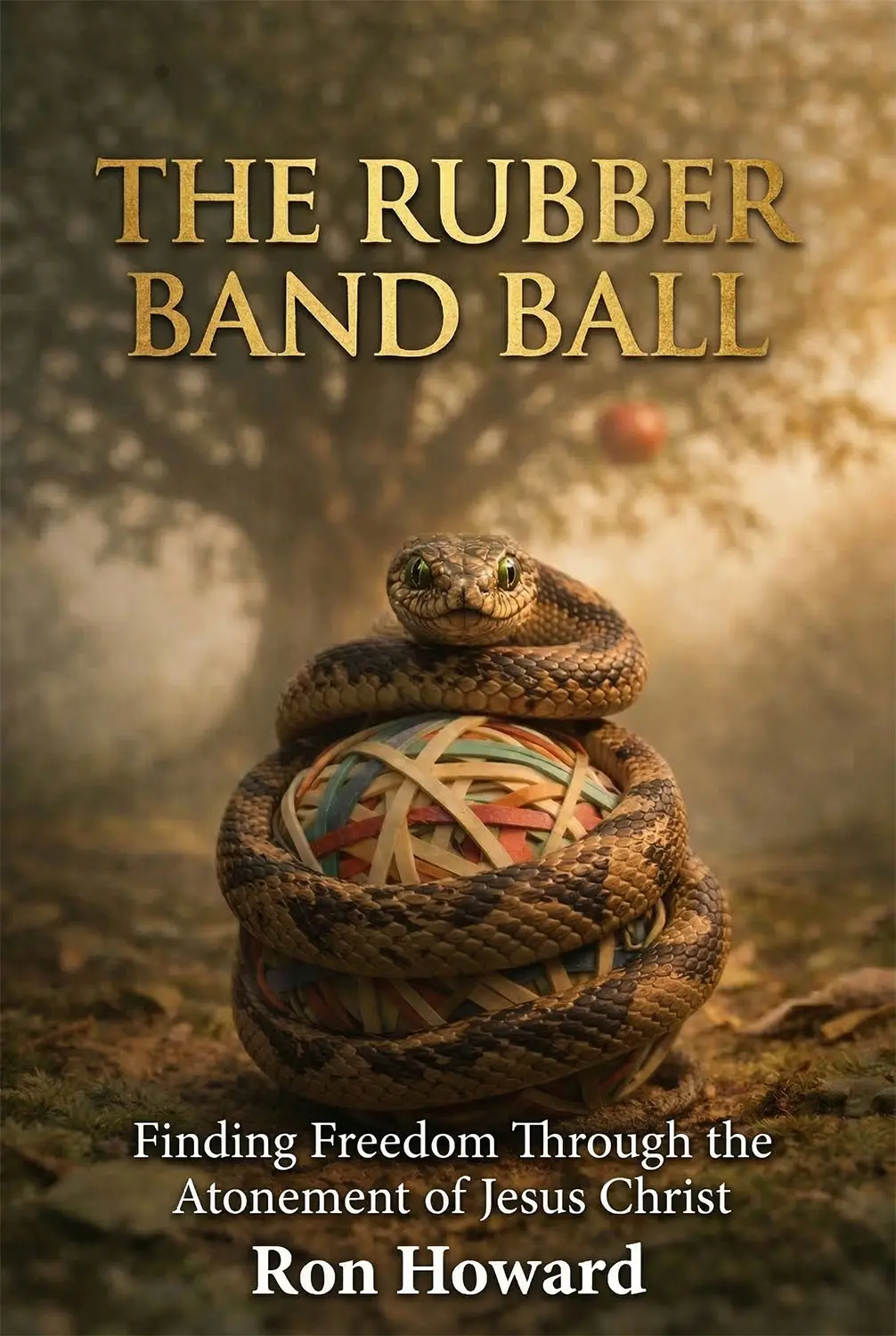
Some people repent once and move forward. Others repent, feel briefly settled, and then within days find the doubt returning — did I confess it fully, did I feel enough sorrow, was that really repentance or was I just relieved. So they go through it again. And again. If that is your pattern, I want to tell you two things. It has a name. And it is not evidence that you are a worse sinner than everyone around you.
What It Is
Religious scrupulosity is a recognised form of obsessive-compulsive disorder in which the obsessions attach to sin, worthiness, and salvation. It is a medical pattern wearing religious clothing.
The structure is the same as any OCD. An intrusive thought arrives, produces intense anxiety, and the person performs a compulsion to relieve it. The relief is temporary, which teaches the brain that the compulsion works, which strengthens the loop.
In scrupulosity, the intrusive thought is about worthiness. The compulsion is confession, reassurance-seeking, mental review, or repeated prayer. And because those are all genuinely good things in ordinary contexts, nobody recognises them as compulsions — including the person doing them.
How to Tell It Apart From Ordinary Guilt
This distinction matters enormously, because the two require opposite responses.
Ordinary guilt points at something specific, has a proportionate size, and resolves when addressed. You did a thing, you make it right, it is finished.
Scrupulosity does not resolve when addressed. That is its defining feature. Confession produces relief for hours, then the doubt returns — often about whether the confession itself was adequate.
Other markers:
- The focus is on certainty, not repair. The question is not “how do I make this right” but “how can I be sure.”
- It attaches to trivial things. A stray thought during the sacrament. Whether a technically true statement was misleading.
- Reassurance stops working. Your bishop tells you it is fine. It helps for a day.
- It escalates when you comply. The more you review, the more there is to review.
Why Sincere People Are Especially Vulnerable
It is worth saying plainly that this does not happen to careless people.
Scrupulosity requires that you take righteousness seriously. It attaches to conscientiousness. The people I have watched suffer with it most are, without exception, among the most sincere in their congregations — which is exactly why it is so cruel, and why they so often conclude the problem is that they are uniquely bad.
They are not. Their alarm system is miscalibrated. A smoke detector going off constantly is not evidence of a constant fire.
What Makes It Worse
Some well-meaning responses actively feed the loop, and it is worth knowing which:
- Repeated reassurance. Every time someone tells you it is fine, the anxiety is relieved and the pattern is reinforced. The reassurance becomes the compulsion.
- Another confession of an already-confessed sin. This teaches the brain that the previous confession was insufficient.
- ”Just have more faith.” Adds shame to a medical condition.
- More scripture study aimed at resolving the doubt. The doubt is not an information problem, so information does not settle it.
If you are a bishop or a parent reading this: a member who has confessed the same thing three times does not need a fourth confession. They need to be told, kindly and once, that the matter is closed and that you will not revisit it — and then they need a referral.
What Actually Helps
The evidence-based treatment for OCD, including scrupulosity, is exposure and response prevention, usually with a therapist, sometimes alongside medication. That means gradually tolerating the uncertainty without performing the compulsion.
Please hear this clearly: seeking treatment is not a lack of faith. Scrupulosity is a brain-based condition. Treating it is exactly as spiritual as treating diabetes, and no more a comment on your relationship with God.
Talk to your bishop and to a doctor or licensed therapist. The two are not in competition. A good bishop will be relieved to have help.
The Spiritual Part That Still Matters
Treatment addresses the mechanism. There is usually still a belief underneath, and that belief is worth surrendering.
Almost everyone I have met with this pattern is carrying a specific sentence, and it is rarely about a specific sin. It is something like: God’s approval is conditional and I must continuously verify it. Or: If I stop checking, something terrible will be true and I will not know.
Write that sentence down. It is the actual rubber band. The sins you keep re-confessing are where it is tied, but they are not the binding.
Then release it deliberately — the five surrenders, written. And note that “I will not pick this up again” is doing specific work here. It is a commitment about the reviewing, not about the sin.
“The Spirit corrects. The adversary condemns. Correction gives you something to do. Condemnation only gives you something to feel.”
A Test You Can Use Today
When a thought about your worthiness arrives, ask which direction it moves you.
The Spirit corrects, and correction moves you toward God with a specific action attached. It is proportionate. It is finite. When you have done the thing, it stops.
Accusation condemns, and condemnation moves you away. It is vague, it is disproportionate, it has no completion condition, and doing what it asks produces more of it rather than less.
If the voice never lets you arrive, it is not the one you think it is. The Rubber Band Ball walks through releasing the belief underneath, and the resources page has free worksheets — but please, alongside that, talk to a professional.
Frequently Asked Questions
What is religious scrupulosity?
It is a recognised form of obsessive-compulsive disorder in which obsessions attach to sin, worthiness, and salvation. An intrusive thought about worthiness produces anxiety, and a compulsion — confession, reassurance-seeking, mental review, repeated prayer — temporarily relieves it, which strengthens the loop. The compulsions go unrecognised because they are ordinarily good practices.
How is scrupulosity different from normal guilt?
Ordinary guilt points at something specific, is proportionate, and resolves when addressed. Scrupulosity does not resolve when addressed — that is its defining feature. It focuses on certainty rather than repair, attaches to trivial matters, stops responding to reassurance, and escalates the more you comply with it.
Why do I keep confessing the same sin?
Because confession is functioning as a compulsion rather than as repentance. It relieves anxiety briefly, which teaches the brain that the previous confession must have been insufficient. Each repetition strengthens the pattern. A bishop who has heard a matter three times can help most by closing it kindly and once, then referring for treatment.
Is getting therapy for scrupulosity a lack of faith?
No. Scrupulosity is a brain-based condition, and treating it is as spiritual as treating diabetes. The evidence-based approach is exposure and response prevention, sometimes alongside medication. Speaking with a bishop and a licensed therapist are complementary, not competing.
Why does scrupulosity affect the most sincere members?
Because it attaches to conscientiousness — it requires that you take righteousness seriously. This is why sufferers so often conclude they are uniquely sinful. The alarm system is miscalibrated; a smoke detector sounding constantly is not evidence of constant fire.
How can I tell the Spirit from self-condemnation?
Direction and completion. The Spirit corrects, moving you toward God with a specific, proportionate, finite action attached — when you have done it, it stops. Condemnation moves you away, is vague and disproportionate, has no completion condition, and produces more of itself when obeyed. If a voice never lets you arrive, reconsider its source.