
There is a state that gets misdiagnosed constantly, in both directions. From outside it looks like waning faith. From inside it feels like something is wrong with you. In fact it is neither. You still believe the things you believed. You are simply depleted — and the advice normally offered to people with doubts will make a depleted person considerably worse.
How to Tell It From Doubt
Doubt is a question about what is true. Burnout is a question about what is left. They present similarly and require opposite responses.
A person with doubts is engaged with the content — wrestling with a claim, a history, a contradiction. There is intellectual energy in it, even when it is painful.
A person in burnout is not arguing with anything. They would affirm the same doctrine they affirmed five years ago. They simply cannot summon anything in response to it. The characteristic feeling is not “I am not sure this is true.” It is “I cannot do this again this week.”
This distinction matters because the standard response to doubt — study more, pray more, serve more — is an increase in demand. Applied to burnout, it accelerates the collapse.
The Signs
- Relief rather than joy. The dominant emotion after fulfilling an obligation is that it is over.
- Dread on the drive. A low-grade heaviness before meetings that used to be neutral or good.
- Compassion fatigue. Someone tells you something hard and you are already thinking about logistics.
- Going through motions competently. You are still performing well, which is why nobody has noticed.
- Resentment that embarrasses you. Small irritations at people you genuinely love.
- Nothing lands. Talks, scripture, music — all of it slides off.
Note how many of these are invisible from outside. Burnout in religious contexts is unusually well-hidden, because the people most vulnerable to it are the most reliable ones, and reliability is exactly what keeps it concealed.
Where It Comes From
Three sources, usually in combination.
Output exceeding input, for a long time. You have been giving without a corresponding intake, and you assumed spiritual things do not obey that arithmetic. They do.
Carrying what is not yours. This is the big one for anyone in a leadership or caring role. You absorbed other people’s situations, and absorption feels like devotion while it is happening. But you are not the Savior — you are a witness. Attempting to carry what Christ already paid for builds your own ball.
Performance-based faith. If your standing feels contingent on continuous output, then rest is never actually available, because stopping registers as falling behind. This is the source that makes burnout structural rather than circumstantial, and it will regenerate the condition no matter how many breaks you take.
What Makes It Worse
Some of the most common advice is actively harmful here:
- ”You just need to serve more.” Prescribes the cause as the cure.
- ”Have you been reading your scriptures?” Converts depletion into a compliance failure.
- ”Fake it till you feel it.” Sustainable for a short period. Ruinous over a long one.
- ”Others have it harder.” True and irrelevant. Comparison has never restored anyone.
What all of these share is that they treat burnout as a motivation problem. It is not. Nobody in this state is short of willingness. They are short of capacity, and willingness cannot be substituted for capacity indefinitely.
The Elijah Pattern
The most useful account of burnout I know is in 1 Kings, and its value is in the order of operations.
Elijah had just called down fire from heaven. Then one threat from Jezebel sent him into the wilderness asking God to take his life. One threat erased a mountain of miracles in his mind.
God did not rebuke him. He also did not agree with him — He did not confirm the despair. What He did was: let him sleep. Then feed him. Then let him sleep again, and feed him again. Then, considerably later, give him an assignment.
Rest, food, rest, food, then work. No lecture. No audit of his faith. No suggestion that a man who had just called down fire had a testimony problem.
“Renewed strength does not come from proving. It comes from trusting.”
What Actually Restores
In roughly this order:
- Sleep and physical care. Unglamorous and non-negotiable. Spiritual perception runs through a body.
- Reduce genuine load. Not everything, but something real. Speak to whoever can adjust it. Most leaders would rather adjust a calling than lose a person.
- Separate what is yours from what you absorbed. Write out everything you are carrying and mark each item: assignment, or absorbed. Release the absorbed ones deliberately.
- Deal with the performance belief. If it is present, nothing else holds. Write the sentence you are actually running — usually something like if I stop, I am failing — and surrender it specifically.
- Reintroduce something you are not responsible for. Attend something where you have no role. Read something devotional you will not be teaching from.
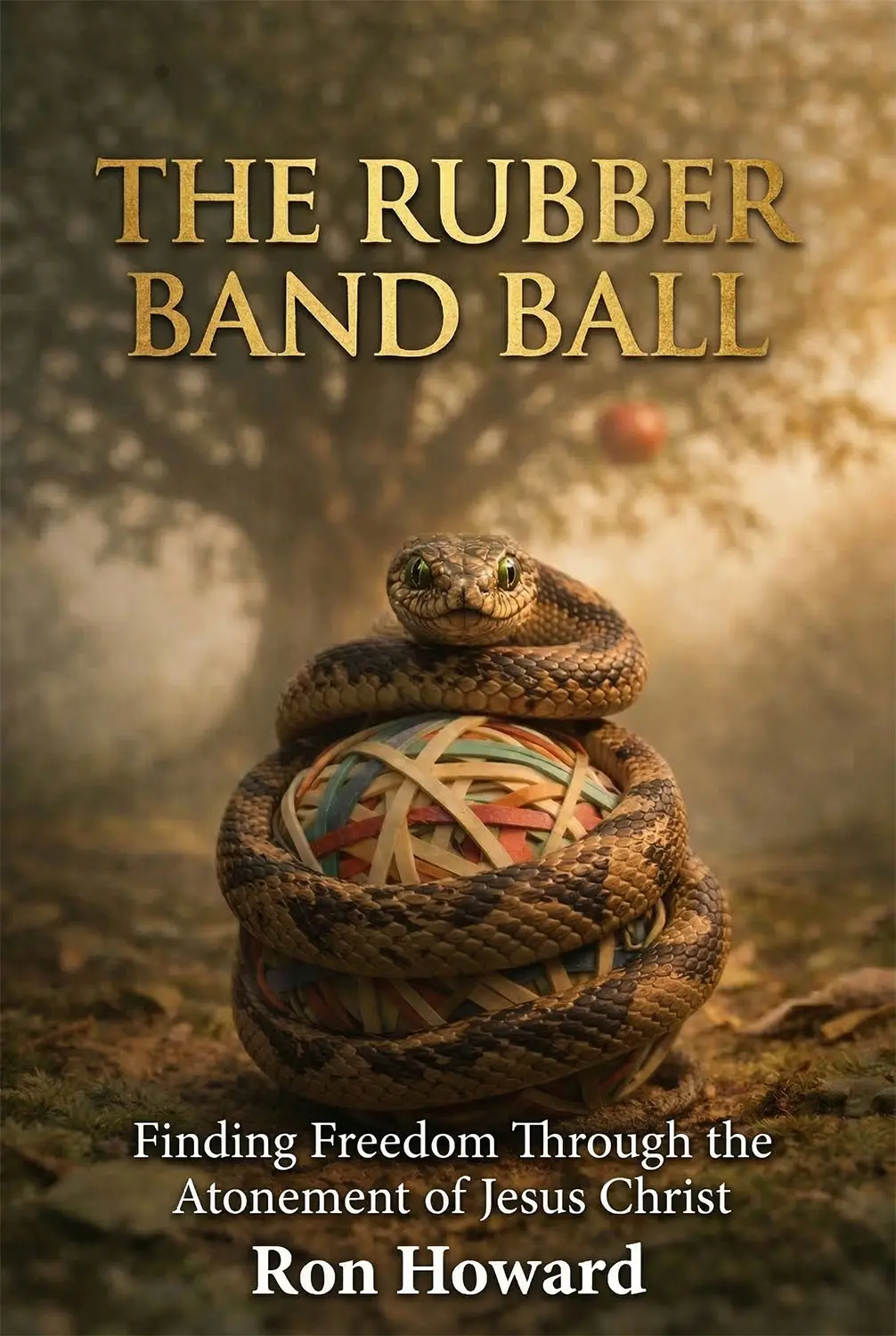
The process page sets out the five surrenders, and The Rubber Band Ball walks through the method. The leaders page has material written for people whose burnout comes with a calling attached.
What Comes Back
Not the same intensity you had at twenty-five. Something steadier than that.
People who come out the other side describe being less reactive, less defensive, less easily offended. Storms still come, but they stop constructing new burdens out of them. They forgive faster. They sleep better.
Spiritual maturity is not loud. It is steady. And steady is what is actually available after this — which is a better outcome than the intensity you are currently grieving the loss of.
Frequently Asked Questions
What is the difference between spiritual burnout and doubt?
Doubt is a question about what is true; burnout is a question about what is left. A doubting person is engaged with the content and arguing with a claim. A burned-out person would affirm the same doctrine as before but cannot summon a response to it. The distinction matters because the standard advice for doubt increases demand, which accelerates burnout.
What are the signs of spiritual burnout?
Relief rather than joy after obligations, dread before meetings that used to be neutral, compassion fatigue, competent going-through-the-motions, resentment toward people you love, and a sense that talks and scripture slide off. Most of these are invisible externally, because the people most prone to burnout are the most reliable ones.
What causes spiritual burnout?
Usually three factors combined: sustained output exceeding input, carrying burdens that were never yours to carry, and performance-based faith. The third makes the condition structural rather than circumstantial — if your standing feels contingent on continuous output, rest never becomes available because stopping registers as falling behind.
Why does “serve more” make burnout worse?
Because it prescribes the cause as the cure and treats burnout as a motivation problem. Nobody in this state lacks willingness; they lack capacity, and willingness cannot substitute for capacity indefinitely. Advice to study, pray, or serve more converts depletion into a compliance failure.
What does the Elijah account teach about burnout?
After calling down fire from heaven, one threat sent Elijah into the wilderness asking to die. God neither rebuked him nor confirmed the despair. He let him sleep, fed him, let him sleep again, fed him again, and only much later gave an assignment. Rest and food preceded work, with no audit of his faith.
What actually helps spiritual burnout?
Sleep and physical care first, then a genuine reduction in load. Then separate what is genuinely yours from what you absorbed, and release the absorbed items deliberately. If a performance belief is present, surrender that specifically or nothing else will hold. Finally, reintroduce something you attend without any responsibility attached.