
People quote this verse when they want to say that following Christ is not hard. Then life stays hard, and they quietly conclude either that the verse is untrue or that they are doing it wrong. Both conclusions come from the same misreading. Look at the object in the sentence. He offers a yoke — and a yoke is not a place to lie down. It is equipment for pulling a load.
What a Yoke Actually Is
A yoke is a wooden crosspiece fastened over the necks of two animals so they can pull together. Its entire function is work.
Christ does not offer the removal of the load. He offers a different way of carrying it — attached to Him rather than pulling alone.
Notice He says “take my yoke upon you.” That is language of assumption, not release. Something is being placed on you. The offer is not an exemption from labour; it is a change in how the labour is distributed.
And a yoke is built for two. That detail is the whole verse. A single-animal yoke is a strange object; the design assumes a partner bearing the other side.
Easy Does Not Mean Effortless
The English word “easy” has drifted, and here it does real damage.
The sense in the passage is closer to well-fitted — kind, suited, not chafing. A yoke that fits properly distributes weight across the shoulders rather than cutting into one point. A badly fitted yoke wounds an animal doing exactly the same work.
That reframing changes the promise entirely. He is not saying the field is smaller. He is saying the equipment will not injure you.
And most of what breaks people is not the size of the load. It is the fit — carrying something in a position it was never meant to be carried in, alone, for years.
What He Explicitly Does Not Promise
It is worth being direct about this, because the over-promise has damaged a lot of faith.
Surrender does not eliminate pressure. Bills still come. Deadlines still come. Criticism still comes. Sin still comes. Failure still comes.
I have watched people surrender something genuinely and then, when the next hard thing arrived, conclude it had not worked. But nothing in the verse suggests otherwise. The burden is described as light, not absent. Light still has weight.
What changes is the strain. Before surrender, pressure feels personal — it lands on identity. After surrender, pressure becomes a question instead of a verdict.
The Question That Prevents New Burdens
When something heavy arrives, ask: is this mine to carry?
That one question has prevented more rubber bands in the people I have counselled than any other single practice.
Some burdens are assignments. You have a calling, a family, work, obligations that are genuinely yours, and answering the question honestly will often return a yes. Fine — then carry it, yoked.
Many burdens are not assignments. They are things you absorbed because you were present when they were described, or because you are the kind of person who feels things, or because nobody else picked it up and you cannot stand to watch something drop.
Absorbing is not serving. It feels like devotion while it is happening. It is a transfer of someone else’s load onto a frame that was not built for it.
Why Solo Carrying Increases the Weight
There is a practical mechanism here worth naming.
When you carry alone, you carry the thing itself plus everything around it: the vigilance, the planning, the fear of dropping it, the sense that the outcome depends entirely on you. That surrounding apparatus is frequently heavier than the load.
Yoked, most of that apparatus becomes unnecessary. Not because the work is smaller, but because the outcome is no longer resting on your capacity alone.
“When you try to carry alone, weight increases. When you yoke with Him, weight distributes. Pressure may remain. But strain decreases.”
How to Actually Take It On
Concretely, because “take my yoke” is easy to nod at and hard to do.
Write out everything you are currently carrying. All of it — situations, obligations, worries, people. Then mark each item: assignment, or absorbed.
Release the absorbed ones deliberately, in writing. The five surrenders. The process page sets them out.
For the genuine assignments, ask a second question: what is actually required of me here this week? Very often the requirement is one call, one conversation, one delegation — and everything else attached to it is worry you added, which is not part of the assignment.
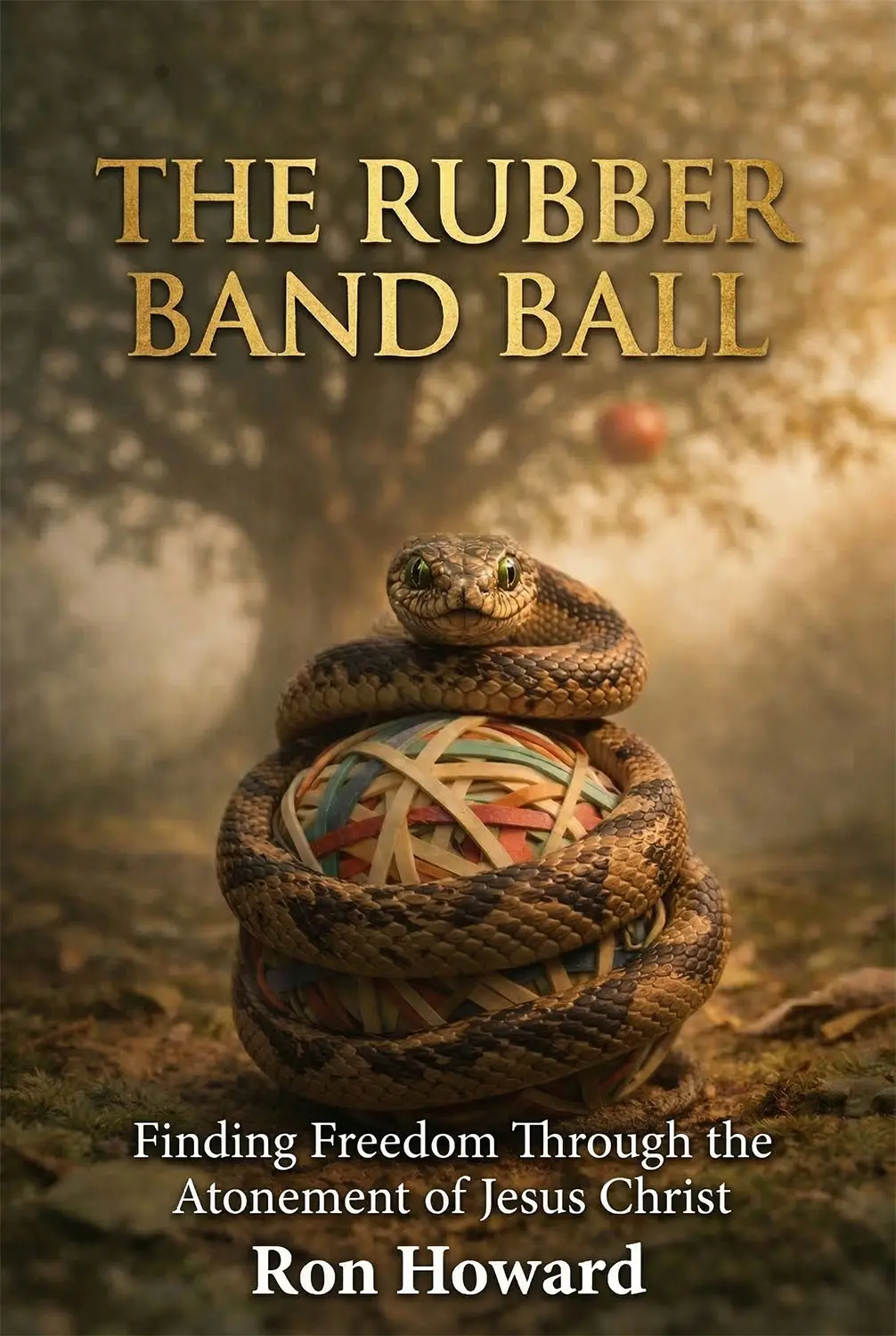
Then do that one thing, yoked. The Rubber Band Ball walks through the whole method with examples.
Frequently Asked Questions
What does “my yoke is easy and my burden is light” mean?
A yoke is a working implement built for two animals to pull together, so the promise is not a life without load but a load carried differently — attached to Christ rather than pulled alone. “Take my yoke upon you” is language of assumption rather than release. What changes is strain, not weight.
Does following Christ mean life gets easier?
No, and the verse does not claim it. Surrender does not eliminate pressure: bills, deadlines, criticism, and failure still come. The burden is described as light, not absent, and light still has weight. Expecting the removal of difficulty leads people to conclude that a genuine surrender failed when the next hard thing arrives.
What does “easy” mean in Matthew 11:30?
Closer to well-fitted — kind, suited, not chafing — than effortless. A properly fitted yoke distributes weight across the shoulders instead of cutting into one point, while a badly fitted one wounds an animal doing identical work. The promise is that the equipment will not injure you, not that the field is smaller.
How do I know which burdens are mine to carry?
Ask directly whether a given burden is yours. Some are genuine assignments arising from callings, family, or work. Many are absorbed simply because you were present when they were described or because nobody else picked them up. Absorbing feels like devotion but transfers another person’s load onto a frame not built for it.
Why does carrying something alone feel so much heavier?
Because carrying alone means carrying the load plus the surrounding apparatus — vigilance, planning, fear of dropping it, and the sense that the outcome rests entirely on you. That apparatus is frequently heavier than the load itself, and most of it becomes unnecessary once the outcome no longer depends on your capacity alone.
What is the practical step for taking on the yoke?
Write out everything you are carrying and mark each item as assignment or absorbed. Release the absorbed ones in writing through the five surrenders. For genuine assignments, ask what is actually required this week — often a single call or delegation, with the remainder being added worry that is not part of the assignment.